






























Centre Set to Introduce Bill on Removal of Convicted PM, CMs and Ministers
The Indian government plans to move a constitutional amendment bill to empower automatic removal of the Prime Minister, Chief Ministers, Union Ministers, and state ministers if detained for serious criminal offences.

As of August 20, 2025, the Union government of India is poised to introduce a landmark Constitution (One Hundred and Thirtieth Amendment) Bill in Parliament. The bill seeks to establish a legal framework for the removal of high-ranking public officials—including the Prime Minister, Union Ministers, Chief Ministers, and State Ministers—if they remain arrested or detained on serious criminal charges.

Objective & Scope
This amendment aims to plug a critical gap in India’s governance structure. Under current laws, removal of officeholders occurs only post-conviction. This bill, meanwhile, mandates removal within a specified timeframe based solely on pre-conviction detention, reflecting a stringent accountability measure.
Mechanics of the Bill
- The proposed amendment targets Article 75, along with constitutional provisions governing Union Territories and the Union Council of Ministers.
- If an officeholder—including the Prime Minister, Chief Minister, or any minister—is detained for 30 consecutive days in cases involving offences punishable by at least five years in prison, they must tender resignation by Day 31. If they fail to do so, they cease to hold office automatically.
- The amendment mirrors this removal mechanism across central and state levels, extending to Union Territories and Jammu & Kashmir.
Parliamentary Process & Timeline
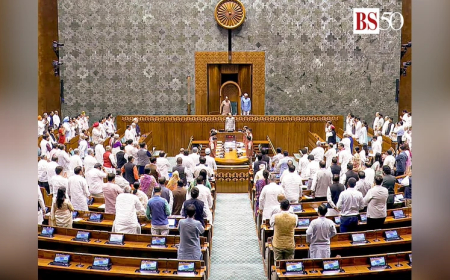
- After its introduction in the Lok Sabha, the amendment is likely to be referred to a joint parliamentary committee comprising members of both houses, to examine it thoroughly before wider debate.
Political Implications
The proposed legislation is seen by proponents as a robust step to enhance public trust and moral governance during prolonged legal proceedings. However, detractors caution that it could be used as a political tool to destabilize opponents, especially in cases where arrests are viewed as politically motivated.