


































Why Many People Are Calling Dhruv Rathee’s AI Fiesta a Scam: The Token Sharing Controversy Explained
Dhruv Rathee’s AI Fiesta startup has sparked debates and accusations of being a scam due to its token system not being clearly explained in promotional materials. This article dives deep into how AI Fiesta’s token sharing works, why users feel misled, and the realities of its subscription model.

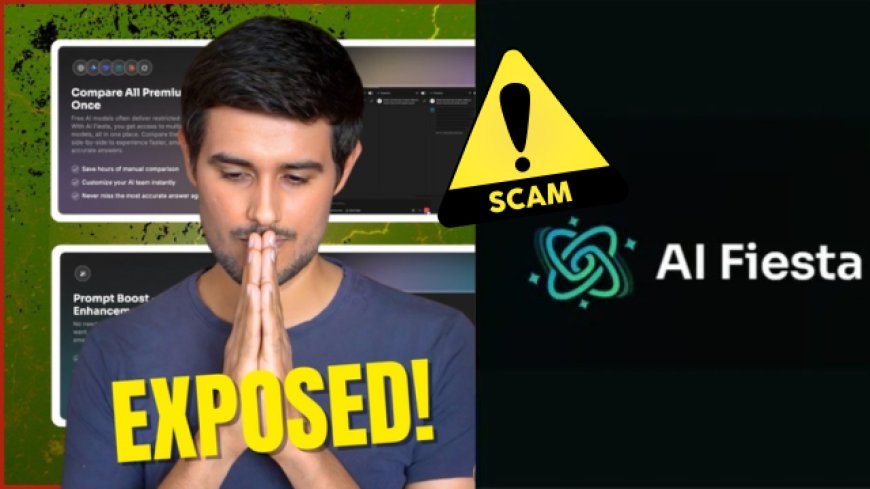
Dhruv Rathee, a well-known content creator and influencer, recently launched an AI startup called AI Fiesta that offers access to multiple premium AI models through a single subscription. While the concept of consolidating powerful AI services under one platform with a comparatively affordable subscription fee caught attention, it also drew significant criticism and allegations of being a scam. The core of this controversy lies in the platform’s token system and how it impacts user experience and value perception.
What is AI Fiesta?
AI Fiesta is a subscription-based service priced at $12 per month, promising users access to six top-tier AI models—including ChatGPT 5, Gemini 2.5 Pro, Claude Sonnet 4, Perplexity Sonar Pro, DeepSeek, and Grok 4—all integrated into one convenient platform. The service markets itself as a solution to the hassle of managing multiple subscriptions and browser tabs while offering tools like prompt enhancement, image generation, and audio transcription.
The Token Allowance Explained
Subscribers receive 400,000 tokens per month. Tokens are the unit of measurement representing words and characters processed by the AI models. Each token roughly equates to three-quarters of a word, and tokens are consumed not only by the input prompts users provide but also by the AI-generated responses. This monthly token pool is shared across all six AI models available on the platform.
This shared token system means that every interaction with any AI model reduces the finite token balance. Unlike some services where you pay for dedicated usage per AI model, AI Fiesta users must share tokens across multiple AIs, which can lead to quicker depletion of the monthly allotment for active users.
Why Has This Led to Accusations of a Scam?
Many early adopters and observers expressed frustration because the token-sharing mechanism was not prominently disclosed nor sufficiently explained in the initial promotional videos or literature. Users expected a generous monthly token allocation per AI model or at least a clearer breakdown of how the tokens are billed across the platform. Instead, what some found was that the shared 400,000 tokens might only last a few days, especially for users with substantial AI interaction needs such as content creation, coding, or research.
The core of the dissatisfaction stems from the perception of value: a $12 subscription feels less valuable if the token allowance is perceived as restrictive when spread thin across multiple AI models. Some users felt misled about the actual utility and limitations of the service, which prompted social media and tech community debates labeling AI Fiesta as a possible scam or misleading product.
Balancing Affordability and Token Usage
The reason AI Fiesta can offer access to multiple premium AI models at nearly half the price of individual subscriptions is precisely because the token pool is shared, limiting heavy usage per AI. For many casual users who only require moderate AI assistance, the token quantity might be sufficient. However, power users quickly notice that each AI’s responses deduct from the same token bank, forcing them to be strategic or upgrade plans.
Features Beyond Token Usage
Beyond token concerns, AI Fiesta incorporates additional value propositions:
• Users can compare answers side-by-side from different AI models to get a fuller picture.
• Prompt enhancement tools assist in crafting better questions and queries.
• Custom project modes enable consistent and tailored AI responses for specific workflows.
• The platform supports image generation and audio transcription to enrich user creativity and productivity.
Final Thoughts
AI Fiesta represents an innovative approach to democratizing access to multiple AI engines in one place at an affordable price point. However, the shared token system requires transparency and user education to align expectations. While not necessarily a scam, as the platform does deliver what it promises, the backlash highlights the importance of clear communication about usage limits and token economics.
Users considering AI Fiesta should weigh their AI usage needs carefully and understand that tokens power every word input and output collectively across all AIs. For casual users, AI Fiesta might offer excellent value; for heavy users, the shared token limitation may prove restrictive.
Being informed about how tokens are spent and consumed is crucial to making the most out of AI Fiesta’s services and avoiding disappointment stemming from unmet expectations.
This controversy serves as a valuable case study for emerging AI subscription services on the delicate balance between affordability, transparency, and user satisfaction.